
The fastest way to lose body fat?
The fastest way to lose body fat is to create a consistent calorie deficit while combining strength training, regular physical activity, balanced nutrition, and adequate sleep. Although crash diets and extreme workouts may promise quick results, they can be difficult to maintain and may lead to muscle loss, fatigue, and weight regain.
For busy adults in Kyle, TX, a sustainable fat-loss plan should fit into everyday life. You do not need to spend hours in the gym or eliminate all your favorite foods. Instead, focus on habits that help you lose fat while preserving muscle, improving strength, and maintaining your energy.
What Is the Most Effective Way to Lose Body Fat Quickly?
The most effective approach is to consume slightly fewer calories than your body uses while staying active and eating enough protein to support your muscles. The goal is to reduce body fat rather than simply make the number on the scale drop as quickly as possible.
For many adults, a gradual rate of weight loss—often around 1 to 2 pounds per week—is a reasonable general target, although individual results vary. People with smaller bodies or less weight to lose may progress more slowly.
Here are five practical strategies to help you get started.
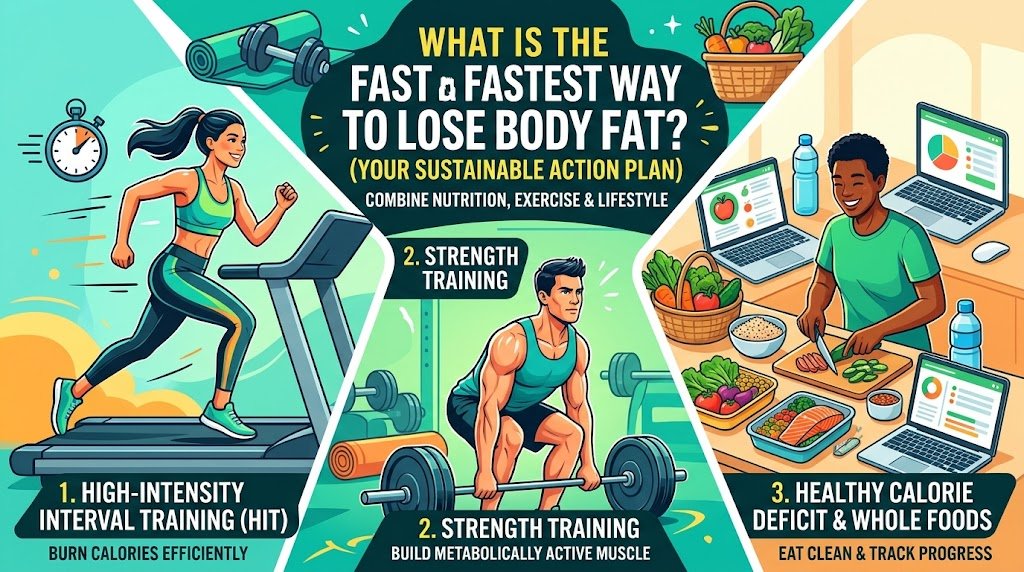
1. Create a Moderate Calorie Deficit
A calorie deficit occurs when you consume fewer calories than your body burns. Your body then uses stored energy to help meet its needs, which can lead to weight loss over time.
You can create a moderate deficit without following an overly restrictive diet.
Start with these habits:
Choose water or unsweetened drinks more often instead of sugary beverages.
Include vegetables and fruit in your meals.
Pay attention to portion sizes, especially with calorie-dense foods.
Eat meals that include protein, fiber, and other nutrient-rich foods.
Reduce frequent mindless snacking if it contributes to excess calorie intake.
You do not need to eliminate carbohydrates or fats to lose body fat. Both can be part of a balanced diet. What matters most is your overall intake, food quality, and ability to maintain the plan.
2. Prioritize Strength Training
Strength training is one of the most useful tools for people who want to lose fat while maintaining muscle. When you reduce your calorie intake, resistance exercise helps signal your body to preserve muscle tissue.
It can also improve strength, mobility, and everyday function.
A beginner-friendly strength workout might include:
Squats or chair squats
Dumbbell rows
Push-ups or chest presses
Hip bridges
Romanian deadlifts
Planks or other core exercises
Start with a manageable workload and focus on proper technique. Two or three strength-training sessions per week can be a practical starting point for many beginners.
As you get stronger, gradually increase the resistance, repetitions, or difficulty of your exercises. If you have injuries or limitations, choose suitable alternatives with guidance from a qualified professional.
3. Increase Daily Movement and Cardio
You do not have to rely on intense cardio sessions to burn energy. Walking, cycling, swimming, and other activities can contribute to fat loss when combined with appropriate nutrition.
Try to build more movement into your daily routine. Take short walks during breaks, use the stairs when practical, or schedule a walk after dinner.
For general health, adults are typically encouraged to work toward at least 150 minutes of moderate-intensity aerobic activity per week, alongside muscle-strengthening activities on two or more days. If you are new to exercise, start with shorter sessions and increase your activity gradually.
The best cardio routine is one you enjoy enough to repeat consistently. You can combine walking or cycling with strength training rather than relying on exhausting workouts every day.
4. Eat Enough Protein and Choose Balanced Meals
Protein helps repair and maintain muscle, which is particularly important when you are trying to lose body fat. Including a protein source in your meals can also help you feel satisfied.
Good options include:
Chicken, turkey, and lean meats
Fish and seafood
Eggs
Greek yogurt and cottage cheese
Beans, lentils, and tofu
Pair protein with vegetables, fruit, whole grains, and healthy fat sources to create balanced meals. For example, you might eat grilled chicken with vegetables and brown rice, or prepare eggs with whole-grain toast and fruit.
Avoid extreme diets that leave you constantly hungry or eliminate entire food groups without a medical reason. A plan that supports your energy, nutritional needs, and training is more likely to deliver lasting results.
If you have kidney disease or another condition requiring dietary restrictions, discuss your protein needs with an appropriate healthcare professional.
5. Get Enough Sleep and Manage Stress
Sleep and stress can affect your hunger, energy, exercise performance, and ability to follow healthy routines. When you are consistently tired, it may be harder to stay active or make food choices that support your goals.
Most adults should aim for at least seven hours of sleep per night, with individual needs varying.
To support better recovery:
Maintain a consistent sleep schedule.
Create a relaxing bedtime routine.
Avoid scheduling demanding workouts when you are severely fatigued.
Use walks, stretching, or other enjoyable activities to help manage stress.
Allow time for rest between challenging training sessions.
Fat loss is not just about exercise and food. Recovery helps you maintain the habits that make progress possible.
How Long Does It Take to See Fat-Loss Results?
Your results depend on your starting weight, body composition, nutrition, activity level, sleep, and consistency. Some people notice changes in energy or exercise performance before they see visible differences in their bodies.
Remember that scale weight can fluctuate because of water retention, digestion, hormonal changes, and other factors. A short-term increase does not necessarily mean you gained body fat.
Track progress using several measures, such as how your clothes fit, changes in waist measurements, strength improvements, and longer-term weight trends. Avoid judging your progress based on a single weigh-in.
Build a Fat-Loss Plan in Kyle, TX
The fastest approach is not necessarily the most extreme one. A moderate calorie deficit, consistent strength training, regular movement, balanced meals, and adequate sleep can help you lose body fat while supporting your overall health.
At Kyle TX Personal Training, you can work toward your fitness goals with a plan tailored to your experience, schedule, and abilities. Whether you prefer in-home workouts, private gym sessions, or remote coaching, a structured program can help you stay accountable and make your training more purposeful.
Frequently Asked Questions
Can I lose body fat without doing cardio?
Yes. You can lose body fat without formal cardio if your overall calorie intake is consistently below your energy needs. However, cardio supports cardiovascular health and increases activity, so combining it with strength training is beneficial for many people.
Is strength training or cardio better for fat loss?
Both can help. Cardio burns energy during activity, while strength training helps maintain muscle as you lose weight. Combining the two with balanced nutrition is an effective approach for many adults.
What should I eat to lose body fat faster?
Focus on balanced meals with protein, vegetables, fruit, whole grains, and appropriate portions. No single food burns body fat on its own, and you do not need to eliminate carbohydrates to make progress.
Can I lose belly fat specifically?
You cannot reliably choose where your body loses fat. Abdominal exercises strengthen your core, but reducing belly fat generally requires overall fat loss through consistent nutrition and physical activity. Genetics and other individual factors influence where fat is stored and lost.
How can a personal trainer help with fat loss?
A personal trainer can help you develop a suitable workout plan, learn proper exercise technique, track strength improvements, and adjust your training as your fitness changes. Nutrition guidance should stay within the trainer's qualifications, with specialized dietary or medical needs referred to an appropriate professional.
Start Making Progress Today
You do not need a crash diet or punishing workout routine to make progress. Start with manageable changes, build consistency, and adjust your plan as your fitness improves.
Ready to work toward your fat-loss goals? Contact Kyle TX Personal Training to explore a personalized training program that fits your lifestyle and helps you build healthier habits for the long term.