
Do I Need Supplements to Build Muscle?
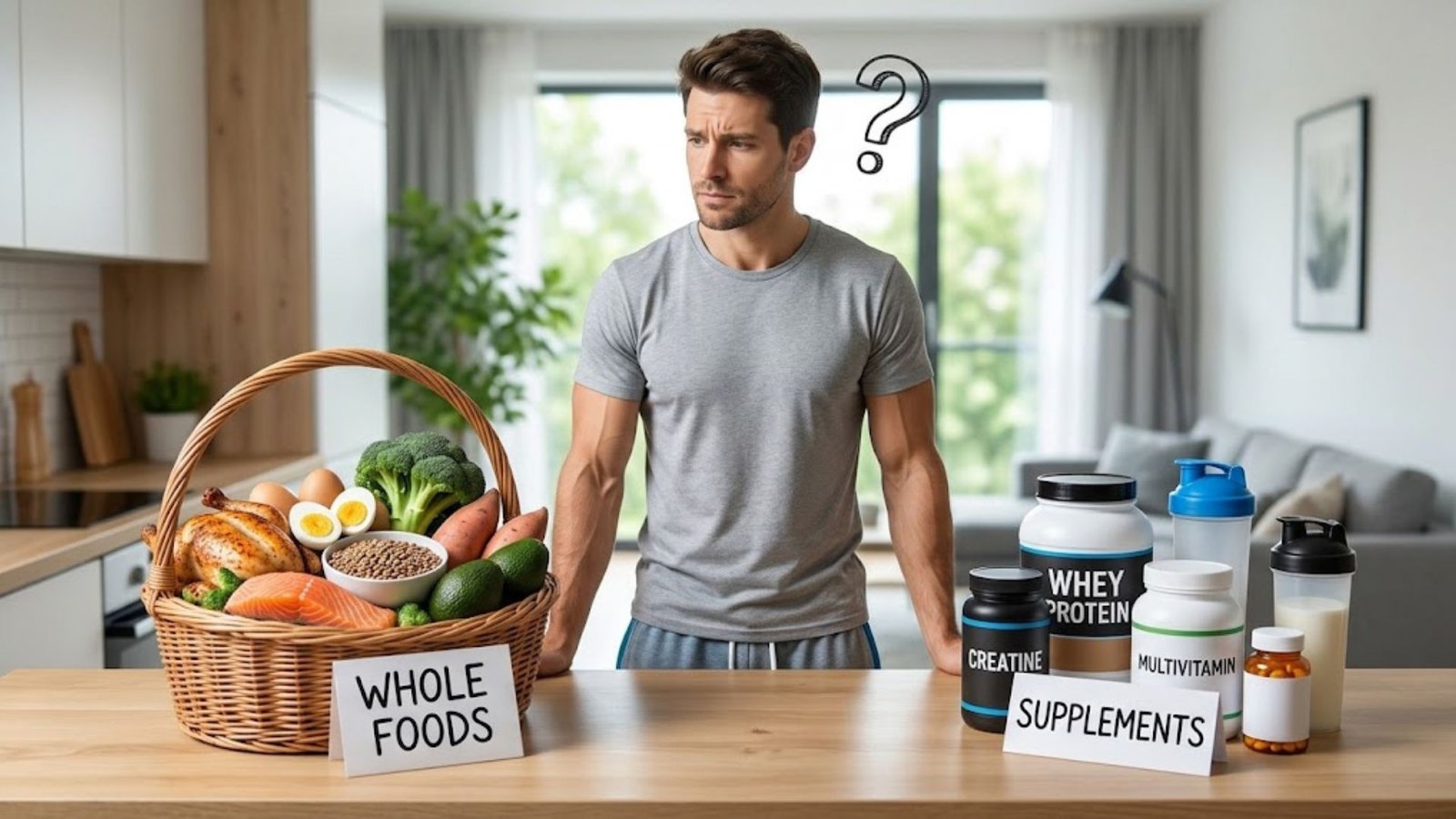
If you’ve ever wondered, “Do I need supplements to build muscle?”, you’re not alone. Walk into a supplement store or browse fitness products online, and you’ll find protein powders, creatine, pre-workout drinks, and countless products promising bigger muscles and faster results.
The truth is that you can build muscle without supplements. Consistent strength training, adequate nutrition, enough protein, and proper recovery matter far more than buying expensive products. For busy adults balancing work, family, and fitness goals, understanding what actually works can save money and make muscle building much simpler.
In this guide, we’ll explain which supplements may be useful, which ones you can skip, and how to build muscle with a practical plan that fits your lifestyle.
Do I Need Supplements to Build Muscle?
No, supplements are not required to build muscle. Most people can make significant progress through progressive strength training, a balanced diet, adequate protein, and sufficient sleep.
Supplements may be helpful when they address a specific need, such as making it easier to meet your daily protein target or supporting performance during resistance training. However, they cannot replace a well-designed workout program or consistent eating habits.
Before spending money on supplements, focus on these fundamentals:
Follow a structured strength-training program.
Eat enough calories to support your goals.
Consume adequate protein throughout the day.
Get sufficient sleep and recovery.
Track your progress and adjust your routine when needed.
What Are Muscle-Building Supplements?
Muscle-building supplements are products intended to support nutrition, exercise performance, or recovery. They commonly include protein powders, creatine, pre-workout products, and other ingredients marketed to people who lift weights.
Unlike medications, dietary supplements are not generally approved by the FDA for safety and effectiveness before they are marketed. Product quality and ingredient amounts can vary, so it’s important to research products carefully.
Here are three common supplements and what you should know about them.
1. Protein Powder: A Convenient Way to Get Enough Protein
Protein is essential for muscle repair and growth. When you perform resistance training, your muscles need adequate protein and energy to adapt to the demands of exercise.
However, you don’t have to drink protein shakes to get results.
When is protein powder useful?
Protein powder can be convenient if you’re busy, have difficulty eating enough protein, or need a quick option after a workout.
Food sources include:
Eggs
Chicken and turkey
Fish
Greek yogurt
Cottage cheese
Beans, lentils, and tofu
Milk and other dairy products
For many adults who exercise regularly, approximately 1.4–2.0 grams of protein per kilogram of body weight per day is a reasonable range for supporting muscle growth. Individual needs vary according to training, diet, and health.
For example, a person weighing 75 kg might aim for roughly 105–150 grams of protein daily. Protein powder can help fill a gap, but it isn’t necessary if meals already provide enough.
2. Creatine: One of the Better-Studied Options
Creatine monohydrate is among the most researched sports supplements. It can improve performance during repeated high-intensity activities, such as weightlifting, and may support greater strength and muscle gains when combined with resistance training.
Do you need creatine to build muscle?
No. You can build muscle without it, but creatine may provide an additional benefit for some people.
Healthy adults commonly use 3–5 grams of creatine monohydrate daily. A loading phase is optional, not required. Creatine can also increase water stored in muscles, so the number on the scale may rise without representing an equivalent increase in body fat.
If you have kidney disease, take medications that may affect kidney function, or have another relevant medical condition, consult your healthcare professional before using creatine.
3. Pre-Workout Supplements: Are They Worth It?
Pre-workout products are designed to help you feel more alert or improve exercise performance. Many contain caffeine, while others include ingredients intended to support blood flow or muscular endurance.
They aren’t essential for muscle growth.
You may find that a consistent sleep schedule, a balanced meal before training, and adequate hydration provide enough energy for your workouts. If you use a caffeinated product, check the total caffeine content and consider how it affects your sleep, anxiety, and heart rate.
Avoid combining multiple stimulant-containing products or taking them late in the day if they interfere with your recovery.
What Matters More Than Supplements for Muscle Growth?
Progressive strength training
Your muscles need a reason to adapt. Follow a structured program that gradually increases the challenge through additional repetitions, resistance, or sets while maintaining good technique.
Compound exercises such as squats, rows, presses, and deadlift variations can help you train several muscle groups efficiently.
Eating enough calories
Your body needs energy to support training and build new muscle tissue. Some people benefit from a modest calorie surplus, while beginners and people returning to training may build muscle without deliberately eating more.
Avoid extreme bulking diets. Instead, choose a nutrition approach that supports your goals without causing unwanted weight gain.
Getting enough sleep
Aim for around seven to nine hours of sleep per night if you’re an adult. Poor sleep can affect exercise performance, recovery, appetite, and your ability to maintain a consistent routine.
Staying consistent
A simple workout plan followed consistently is more valuable than an expensive supplement routine paired with irregular training.
How to Build Muscle Without Spending Money on Supplements
If you want to keep your fitness budget under control, follow these practical steps:
Plan your meals. Include a protein source, vegetables or fruit, and suitable carbohydrate sources in your daily meals.
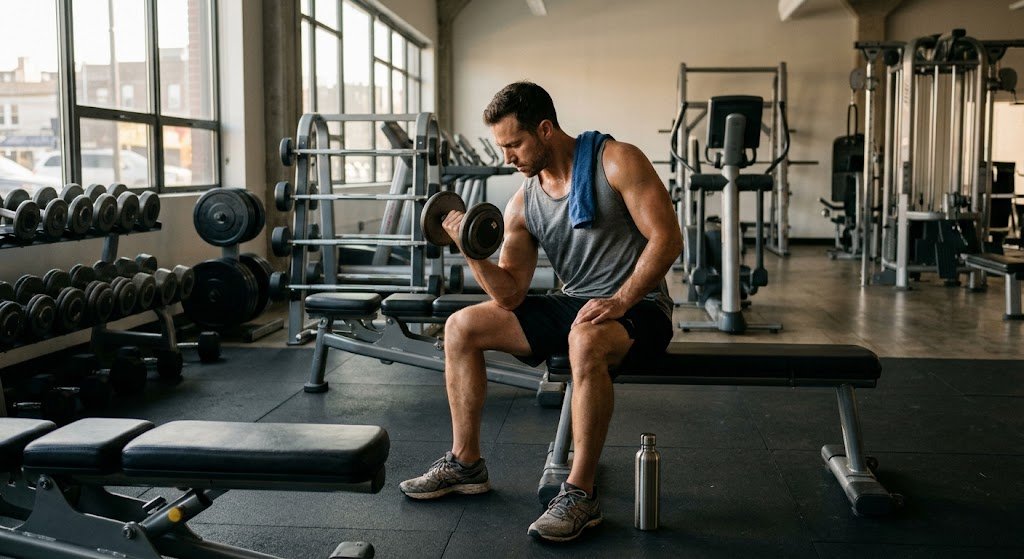
Train three days per week. A full-body strength-training routine can be an effective starting point for many beginners.
Progress gradually. Add repetitions or increase resistance when you can complete your exercises with proper form.
Prepare convenient snacks. Greek yogurt, eggs, milk, or other protein-rich foods can help you meet your needs.
Track your results. Record your workouts, strength improvements, body measurements, and recovery.
Review your nutrition first. Consider supplements only if they solve a genuine problem in your routine.
If you have a medical condition, dietary restrictions, or difficulty meeting your nutritional needs, a registered dietitian or qualified healthcare professional can help you choose an appropriate approach.
Common Supplement Mistakes to Avoid
Don’t assume that a higher price means a better product. Also, avoid proprietary blends with unclear ingredient amounts, products promising dramatic results in days, and supplements marketed as shortcuts to muscle growth.
Choose products with transparent labels and, where possible, independent quality testing from organizations such as NSF Certified for Sport or Informed Sport. Certification can help verify product quality, but it doesn’t guarantee that a supplement will improve your results or be suitable for everyone.
Frequently Asked Questions
1. Can I build muscle without protein powder?
Yes. You can get all the protein you need from foods such as eggs, dairy, fish, poultry, beans, and tofu. Protein powder is simply a convenient alternative.
2. What is the best supplement for building muscle?
Creatine monohydrate is one of the best-studied options for supporting high-intensity exercise performance and strength gains. However, it is optional, and its benefits depend on consistent training.
3. How long does it take to build muscle without supplements?
tine monohydrate is one of the best-studied options for supporting high-intensity exercise performance and strength gains. However, it is optional, and its benefits depend on consistent training. 3. How long does it take to build muscle without supplements? Progress varies by age, training experience, nutrition, genetics, and consistency. Strength improvements may appear within a few weeks, while visible muscle growth generally takes several weeks to months.
3. How long does it take to build muscle without supplements?
Progress varies by age, training experience, nutrition, genetics, and consistency. Strength improvements may appear within a few weeks, while visible muscle growth generally takes several weeks to months.
4. Do beginners need supplements to build muscle?
No. Beginners should prioritize learning proper exercise technique, following a structured program, eating adequately, and getting enough sleep before considering supplements.
5. Is it possible to build muscle after 40 without supplements?
Yes. Adults over 40 can build strength and muscle through appropriate resistance training, adequate protein, and recovery. Training may need to account for existing injuries, mobility, and individual health considerations.
Conclusion: Do I Need Supplements to Build Muscle?
So, do I need supplements to build muscle? No. The foundation of muscle growth is consistent resistance training, sufficient protein, adequate calories, and proper recovery. Supplements such as protein powder and creatine may offer practical benefits, but they are optional additions rather than requirements.
If you’re working toward stronger muscles while managing a busy schedule, start with the habits that deliver the most value. Build a consistent routine, eat well, and give your body time to adapt before spending money on products you may not need.
Build Muscle With a Plan That Fits Your Life
You don’t need an expensive supplement stack to get started. You need a clear workout plan, realistic goals, and a routine you can maintain.
Contact Kyle TX Personal Training to discuss a personalized muscle-building program tailored to your fitness level, schedule, and goals. Get expert guidance on strength training, track your progress, and build a stronger body with a plan designed around you.