
How Do I Start Working Out If I'm Out of Shape?
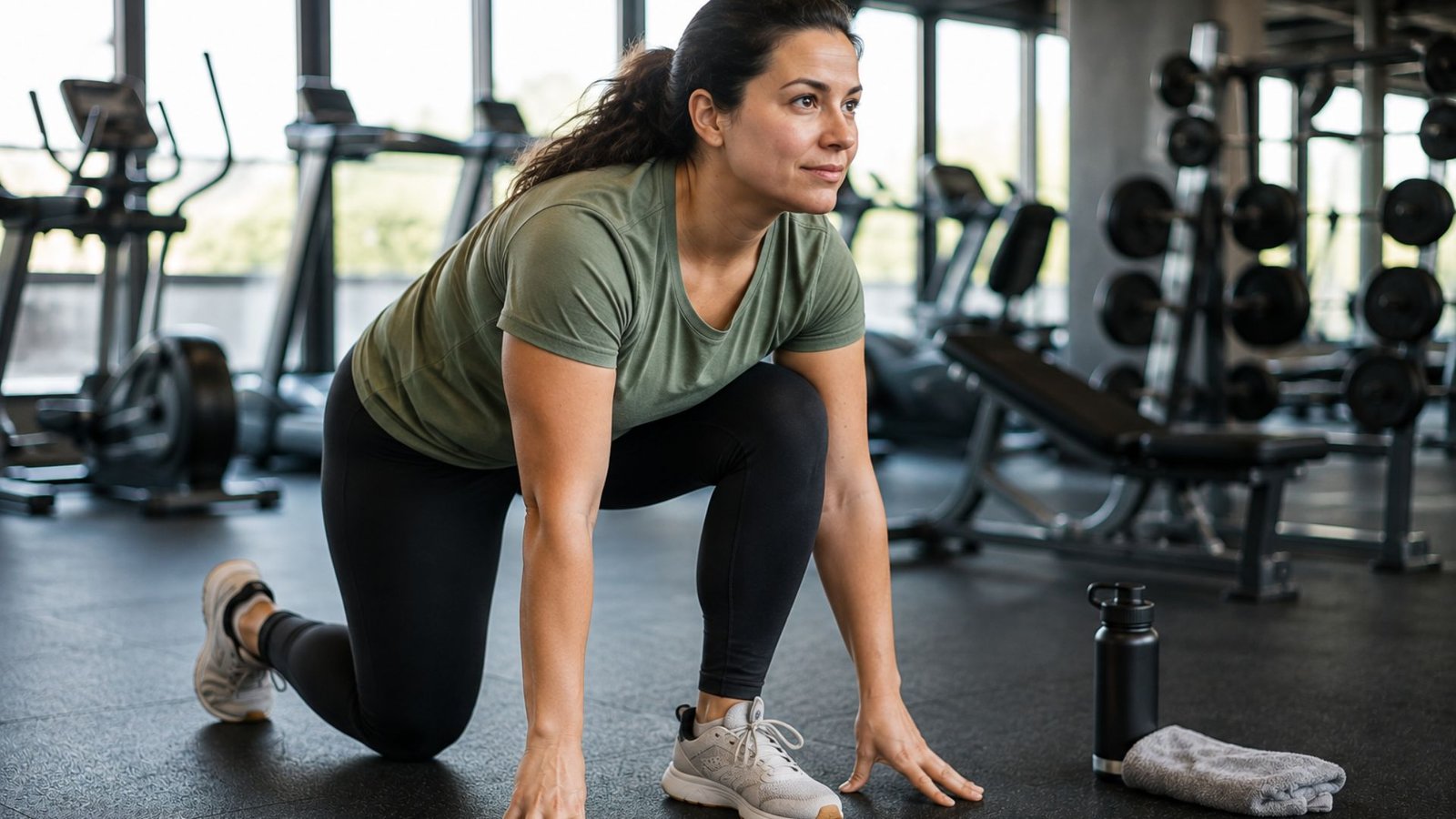
If the thought of walking into a gym makes your stomach turn, you’re not alone. How do I start working out if I’m out of shape? is one of the most common questions we hear from clients here in Kyle, TX — and it’s a great question to be asking. Getting started is almost always harder than staying consistent once you’ve built momentum.
The good news: you don’t need to be “in shape” before you start exercising. You just need a plan that matches where you are right now, not where you wish you were. Below, we’ll walk you through exactly how to begin safely, build a routine that sticks, and avoid the mistakes that send so many beginners back to the couch.
What Does "Out of Shape" Actually Mean?
“Out of shape” isn’t a medical term — it’s a feeling. It usually means you get winded climbing stairs, your muscles feel weak or tight, or it’s been months (or years) since you’ve moved your body with any real intention.
Here’s the important part: being out of shape is a starting point, not a disqualification. Every experienced athlete and every seasoned gym-goer started exactly where you are now. Your fitness level today has zero bearing on what’s possible for you six months from now.
Step-by-Step: How to Start Working Out If You're Out of Shape
1. Get Clarity on Your Starting Point
Before you touch a dumbbell, take honest stock of where you’re at. Ask yourself:
- Do I have any injuries, chronic conditions, or doctor restrictions?
- How much time can I realistically commit each week?
- Am I completely new to exercise, or returning after a long break?
If you have any underlying health concerns, a quick check-in with your doctor is a smart first move. From there, a certified trainer can help translate your answers into a plan built around your actual body, not a generic template.
2. Start Smaller Than You Think You Need To
The number one mistake beginners make is doing too much, too fast. A brutal first workout might feel productive, but it usually leads to soreness so severe that you skip the next three sessions — or get injured entirely.
Instead:
- Begin with 2–3 sessions per week, 20–30 minutes each
- Choose low-impact movements like walking, bodyweight squats, and modified push-ups
- Focus on finishing workouts feeling like you could do a little more, not completely wiped out
3. Prioritize Consistency Over Intensity
In the first month, showing up matters far more than how hard you push. Your body needs time to adapt — tendons, joints, and cardiovascular capacity all improve on a slower timeline than motivation does.
A simple rule of thumb: a mediocre workout you actually complete beats a perfect workout you skip.
4. Build Around These Four Movement Categories
You don’t need a complicated program to see real results. Structure your early workouts around:
- Cardio – Walking, cycling, or light jogging to build endurance
- Strength – Bodyweight or light-resistance exercises for major muscle groups
- Mobility – Stretching and joint-friendly movement to prevent injury
- Recovery – Sleep, hydration, and at least one full rest day between sessions
5. Track Progress Beyond the Scale
Weight is only one metric, and often the slowest to move. Instead, track:
- How many reps or minutes you can complete compared to week one
- How your clothes fit
- Energy levels and sleep quality
- Whether daily tasks (stairs, groceries, playing with your kids) feel easier
6. Get Guidance If You Want It to Stick
Trying to figure out sets, reps, form, and progression on your own is exactly where most beginners get overwhelmed and quit. Working with a personal trainer — whether in-home, in a private gym setting, or through remote coaching — removes the guesswork. You get a plan built around your schedule, your limitations, and your goals, plus the accountability to actually follow through.
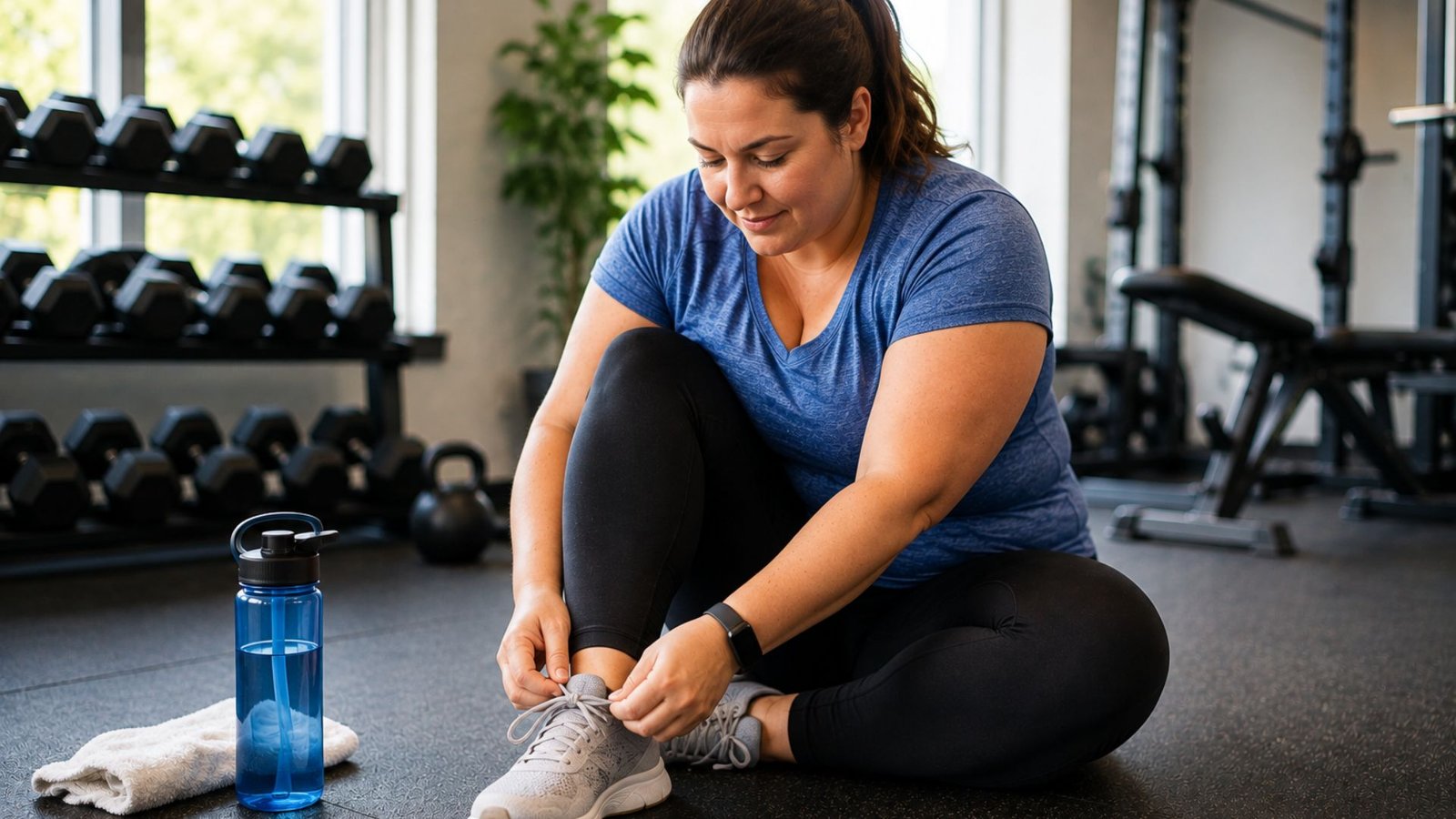
Common Mistakes to Avoid When Getting Back Into Fitness
- Copying advanced workouts you find online that aren’t built for your current level
- Skipping warm-ups, which increases injury risk significantly for deconditioned muscles and joints
- Comparing your day one to someone else’s day 300
- All-or-nothing thinking — missing one workout doesn’t mean the plan failed
- Ignoring nutrition and sleep, which affect recovery just as much as the workouts themselves
FAQ: Starting a Workout Routine When You're Out of Shape
How do I start working out if I'm out of shape?
Start with short, low-impact sessions 2–3 times per week, focus on consistency over intensity, and gradually increase duration and difficulty as your body adapts. Working with a trainer can help you build a safe, structured plan from day one.
How long does it take to get back in shape?
Most people notice improved energy and endurance within 2–4 weeks of consistent activity, with visible strength and body composition changes typically appearing between 6–12 weeks, depending on starting point and consistency.
What is the best exercise for beginners who are out of shape?
Walking is one of the most effective starting points — it's low-impact, requires no equipment, and builds a cardiovascular base. Pair it with basic bodyweight strength exercises like squats, wall push-ups, and glute bridges.
Do I need to lose weight before I start strength training?
No. Strength training is safe and beneficial at any starting weight and can actually support fat loss by building muscle and improving metabolism. A qualified trainer can modify exercises to suit your current mobility and comfort level.
Is it safe to work out if I have an old injury or health condition?
In most cases, yes — with the right modifications. Clear it with your doctor first, then work with a trainer experienced in adapting programs around physical limitations so you can train safely and effectively.
The Bottom Line
Learning how to start working out if you’re out of shape really comes down to one principle: start small, stay consistent, and build from there. You don’t need to overhaul your entire life overnight — you just need a realistic first step, followed by another, and another. That’s how lasting change actually happens.
Ready to Get Started? Let's Build Your Plan Together
You don’t have to figure this out alone. At Kyle TX Personal Training, we specialize in helping busy professionals, parents, and beginners in Kyle and the surrounding areas go from “out of shape” to strong, confident, and capable — with a program built entirely around your schedule, your goals, and your body.
Contact us today to schedule your consultation and take the first step toward a workout routine that actually fits your life. Whether you prefer in-home training, private one-on-one sessions, or remote coaching, we’ll meet you exactly where you are and help you get where you want to be.