
What is the best strength training program?
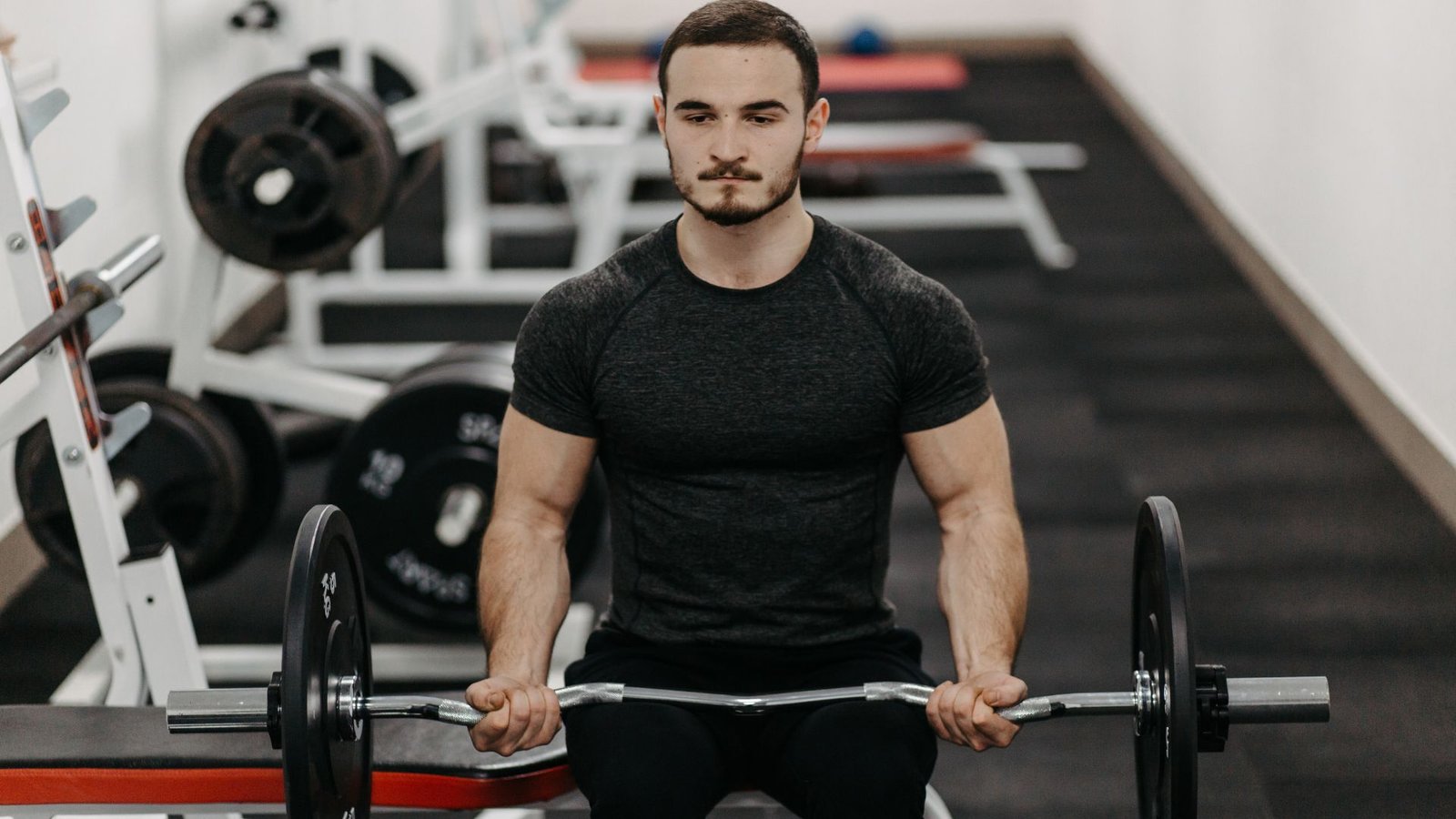
The best strength training program is the one you can follow consistently, progress safely, and adapt to your goals, schedule, equipment, and experience level. For most people, that means a simple plan built around major movement patterns: squats, hinges, pushes, pulls, carries, and core work. This strength training guide will help you understand what matters, choose smart exercises, and build a routine that fits real life.
How do you choose the right strength training program?
You choose the right strength training program by matching it to your current fitness level, recovery capacity, available equipment, and main goal. A beginner does not need a complicated six-day split, and an experienced lifter may not be challenged by a basic circuit forever. The best strength training program gives you enough structure to make progress without making workouts feel impossible to maintain.
A good program should include three essentials: progressive overload, balanced movement, and recovery. Progressive overload means gradually asking your body to do more over time, such as lifting slightly heavier weights, performing more reps, improving technique, or reducing rest periods. Balanced movement means training the whole body rather than only the muscles you enjoy working. Recovery means giving your muscles, joints, and nervous system time to adapt.
If you are comparing the best workout routines, avoid choosing based only on intensity or popularity. The hardest plan is not always the smartest plan. A routine that leaves you sore for days, disrupts sleep, or feels too demanding may look impressive but fail in practice.
The foundations of an effective strength plan
The best strength training program is usually built from basic patterns, not random exercises. These patterns train the body the way it naturally moves and help you build practical strength for daily life, sports, posture, and long-term health.
Most routines should include:
Squat pattern: goblet squats, bodyweight squats, split squats, or leg presses.
Hip hinge pattern: Romanian deadlifts, glute bridges, hip thrusts, or kettlebell deadlifts.
Push pattern: push-ups, dumbbell presses, overhead presses, or machine chest presses.
Pull pattern: rows, lat pulldowns, resistance band pulls, or assisted pull-ups.
Core stability: planks, dead bugs, bird dogs, carries, or Pallof presses.
Loaded carries: farmer’s carries or suitcase carries for grip, trunk, and total-body strength.
These strength training exercises can be adjusted for nearly anyone. A new lifter might start with bodyweight squats and wall push-ups, while a more experienced lifter might use barbell squats and weighted push variations. The movement pattern stays the same; the difficulty changes.
The best strength training program for beginners
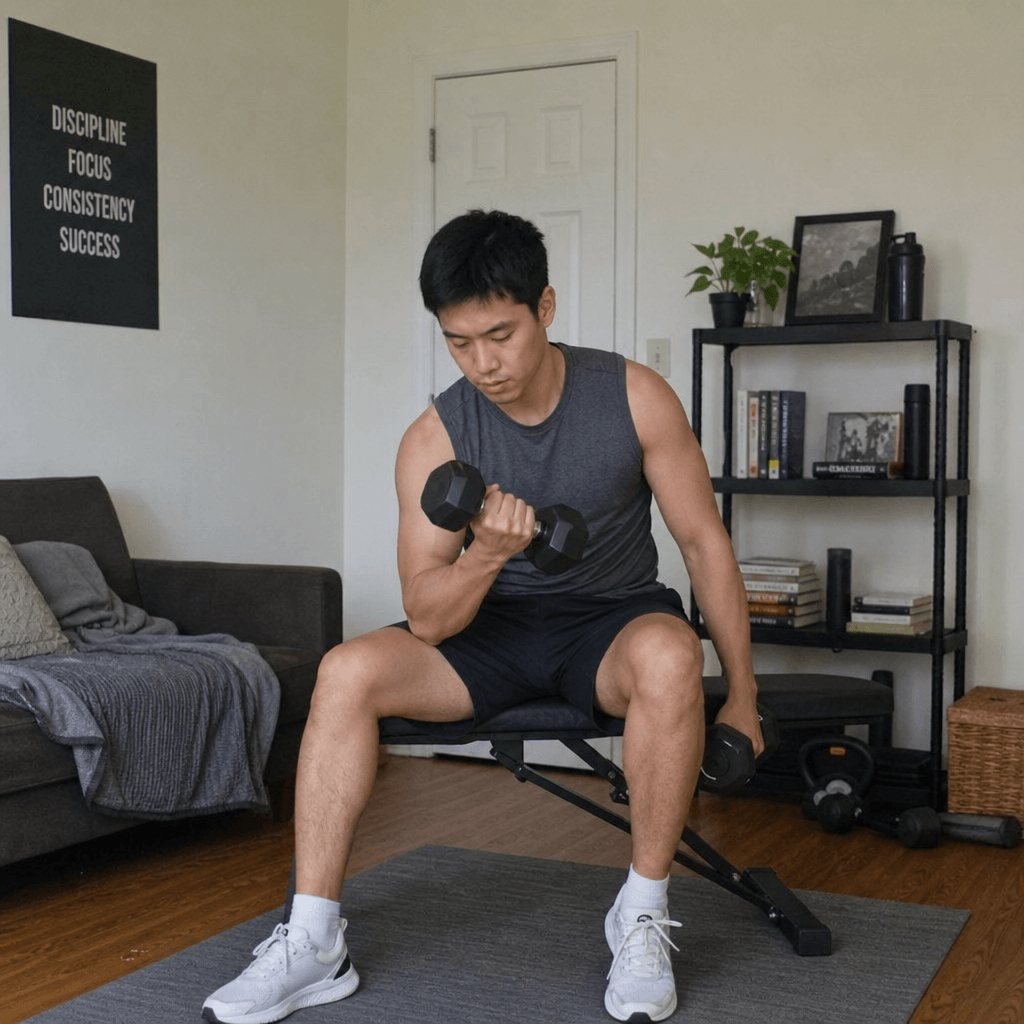
The best strength training program for beginners is simple, repeatable, and focused on learning proper form before chasing heavy weights. Two or three full-body workouts per week is often enough to build strength, improve coordination, and develop confidence without overwhelming recovery.
A beginner-friendly weekly routine might look like this:
Workout A
Goblet squat or bodyweight squat — 2 to 3 sets of 8 to 12 reps
Dumbbell row or band row — 2 to 3 sets of 8 to 12 reps
Push-up variation or dumbbell chest press — 2 to 3 sets of 6 to 12 reps
Glute bridge — 2 to 3 sets of 10 to 15 reps
Plank — 2 to 3 rounds of 20 to 40 seconds
Workout B
Split squat or step-up — 2 to 3 sets of 8 to 10 reps per side
Romanian deadlift with dumbbells — 2 to 3 sets of 8 to 12 reps
Overhead press — 2 to 3 sets of 8 to 12 reps
Lat pulldown or resistance band pulldown — 2 to 3 sets of 8 to 12 reps
Dead bug — 2 to 3 sets of 8 to 12 reps per side
Alternate these sessions across the week, leaving at least one rest day between strength workouts. Start with weights that feel controlled, not maximal. A useful rule is to finish most sets feeling like you could perform two or three more good reps if needed.
What is the best strength training program for women?
The best strength training program for women is not dramatically different from a good strength program for anyone else: it should train the full body, build progressive strength, and support the person’s goals. The idea that women need only light weights and high reps is outdated. Many women benefit from a mix of moderate and challenging resistance work, especially when the program is designed around consistency, form, and recovery.
A well-rounded women’s program often includes lower-body strength, upper-body pulling and pressing, core stability, and mobility. For those searching for the best strength training program for women, the right answer depends on goals. Some women want stronger glutes and legs, some want better posture, some want improved bone and muscle health, and others want athletic performance or body recomposition.
The best women’s strength training program should also be flexible. Energy, stress, sleep, training history, and life schedule all affect performance. A good routine gives structure without punishing you for needing adjustments.
A practical weekly structure for women
A three-day full-body plan works well for many women because it trains each muscle group regularly while leaving room for walking, mobility, cardio, or rest.
Day 1: Squat, row, chest press, glute bridge, core
Day 2: Deadlift variation, overhead press, pulldown, lunge, carry
Day 3: Step-up, hip thrust, incline push-up, cable or band row, plank variation
This kind of structure is simple but effective. It avoids overloading one muscle group in a single day and helps build balanced strength across the body.
Strength training after 50 should prioritize confidence and control
The best strength training program for women over 50 should emphasize safe progression, joint-friendly movement, balance, posture, and muscle maintenance. That does not mean workouts need to be easy. It means they should be intelligently scaled and performed with excellent control.
Strength training can be especially valuable later in life because everyday tasks depend on the ability to stand, lift, carry, climb, reach, and stabilize. Exercises such as sit-to-stands, step-ups, rows, hip hinges, wall push-ups, and farmer’s carries are practical choices. They build strength that transfers to normal movement.
A smart approach is to begin with two or three sessions per week and focus on technique. Machines, dumbbells, resistance bands, and bodyweight exercises can all work. The best program is one that feels challenging but not intimidating, and it should allow enough recovery between sessions.
The best at-home strength training program
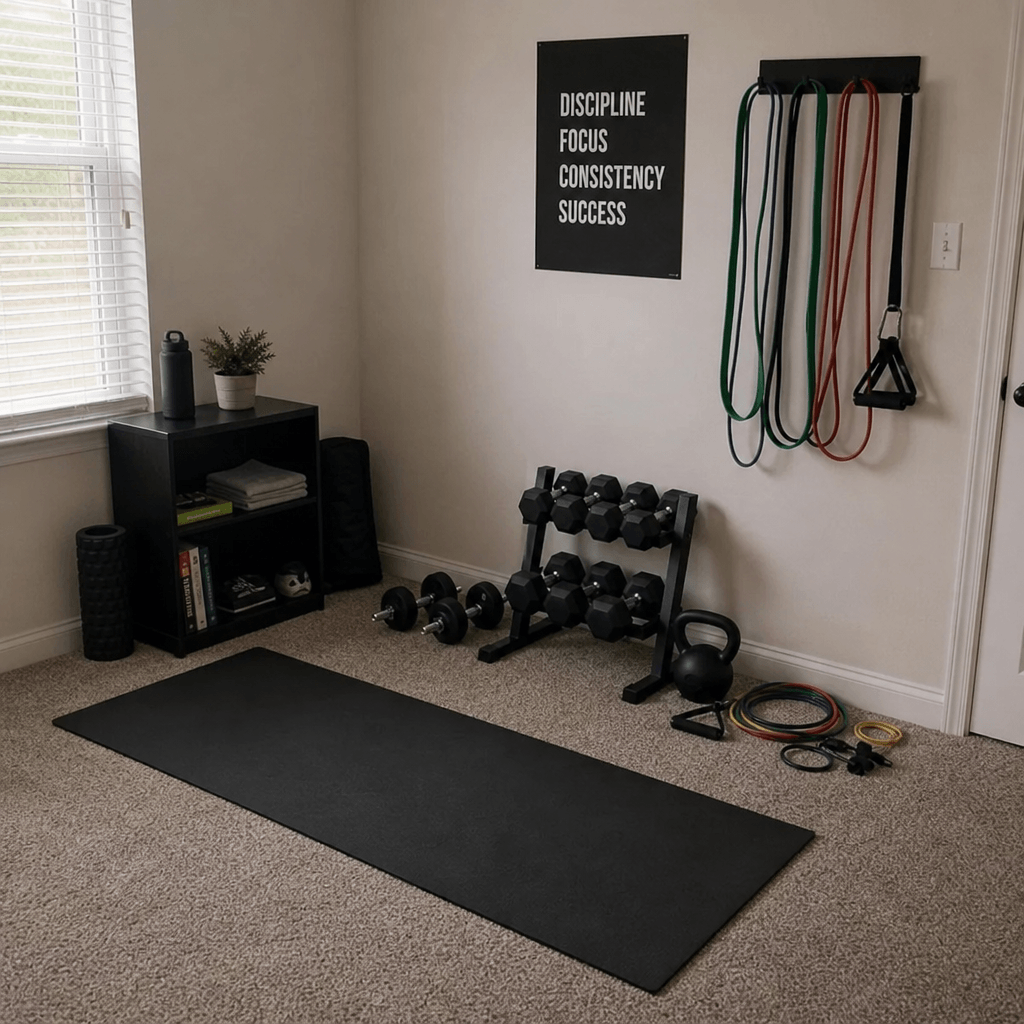
The best at home strength training program uses minimal equipment while still covering the major movement patterns. You can build an effective routine with dumbbells, resistance bands, a sturdy chair or bench, and enough floor space to move safely. Even if you do not have equipment, bodyweight exercises can create a strong starting point.
Here is a simple at-home routine:
Chair squat or goblet squat
Push-up from wall, bench, knees, or floor
Dumbbell or band row
Glute bridge or single-leg glute bridge
Reverse lunge or step-up
Plank, side plank, or dead bug
Perform 2 to 4 rounds, resting as needed between exercises. To make the workout harder, slow down the lowering phase, add reps, increase resistance, or choose a more challenging variation. To make it easier, reduce the range of motion, use support, or perform fewer sets.
How to know if your program is working
A strength program is working if you are gradually improving while feeling reasonably recovered. Progress is not always dramatic from week to week, but over time you should notice better control, more reps, heavier weights, steadier balance, or easier daily movement.
Track a few simple markers:
The exercise variation you performed
The weight or resistance used
Sets and reps completed
How difficult the session felt
Any pain, fatigue, or form issues
Sleep, stress, and energy when relevant
You do not need to obsess over every detail. A short workout log helps you make better decisions. If you are always exhausted, sore, or losing motivation, your program may need less volume, better exercise selection, or more rest.
Common mistakes that slow strength gains
Many people struggle not because they lack effort, but because their routine lacks direction. Random workouts can feel productive in the moment, yet make it difficult to measure progress.
Avoid these common mistakes:
Changing exercises too often: Variety is useful, but repeating key lifts helps you improve.
Skipping pulling exercises: Rows and pulldowns support posture and balance pressing movements.
Lifting too light forever: Strength improves when the body receives an appropriate challenge.
Ignoring recovery: Muscles adapt between workouts, not only during them.
Using poor form to add weight: Controlled technique matters more than ego lifting.
Training only favorite areas: A balanced body needs lower-body, upper-body, and core work.
The solution is not perfection. It is consistency, smart progression, and honest adjustment.
FAQ
How many days a week should I strength train?
Most people can start with two or three strength sessions per week. This frequency is enough to practice key movements, build strength, and recover well. More advanced lifters may train more often, but beginners usually make excellent progress with fewer, higher-quality sessions.
How long should a strength workout be?
A productive strength workout can take 30 to 60 minutes. The right length depends on your warm-up, number of exercises, rest periods, and experience level. A focused 35-minute workout is often better than a long session filled with distractions.
Can I build strength without a gym?
Yes, you can build strength at home with bodyweight exercises, resistance bands, dumbbells, or household-friendly equipment. The key is progression. As movements become easier, you need to make them more challenging through resistance, reps, tempo, or exercise variation.
What strength training exercises should beginners avoid?
Beginners do not have to avoid specific exercises forever, but they should be cautious with movements they cannot perform safely or control well. Heavy barbell lifts, advanced plyometrics, or complex Olympic-style lifts may require coaching and preparation. Start with simple patterns first.
Is strength training good for weight loss?
Strength training can support weight loss by helping preserve or build muscle while you improve fitness habits. It works best alongside appropriate nutrition, daily movement, sleep, and consistency. The scale is not the only measure of progress; strength, energy, and body composition matter too.
Build a program that fits your life
If you are asking, “What is the best strength training program?” the most useful answer is this: choose the program you can perform consistently, progress gradually, and recover from well. Whether your goal is the best strength training program for beginners, the best strength training program for women, or a practical at-home routine, the foundation is the same. Train the major movement patterns, track your progress, and adjust the plan to fit your body and schedule.
Ready for a strength plan that works for you?
If you want help choosing exercises, building a routine, or adapting a program to your goals, contact us today. We can help you create a practical strength training plan that feels clear, realistic, and sustainable from the start.