
Leg Day Routine: Build Strength, Power, and Confidence from the Ground Up
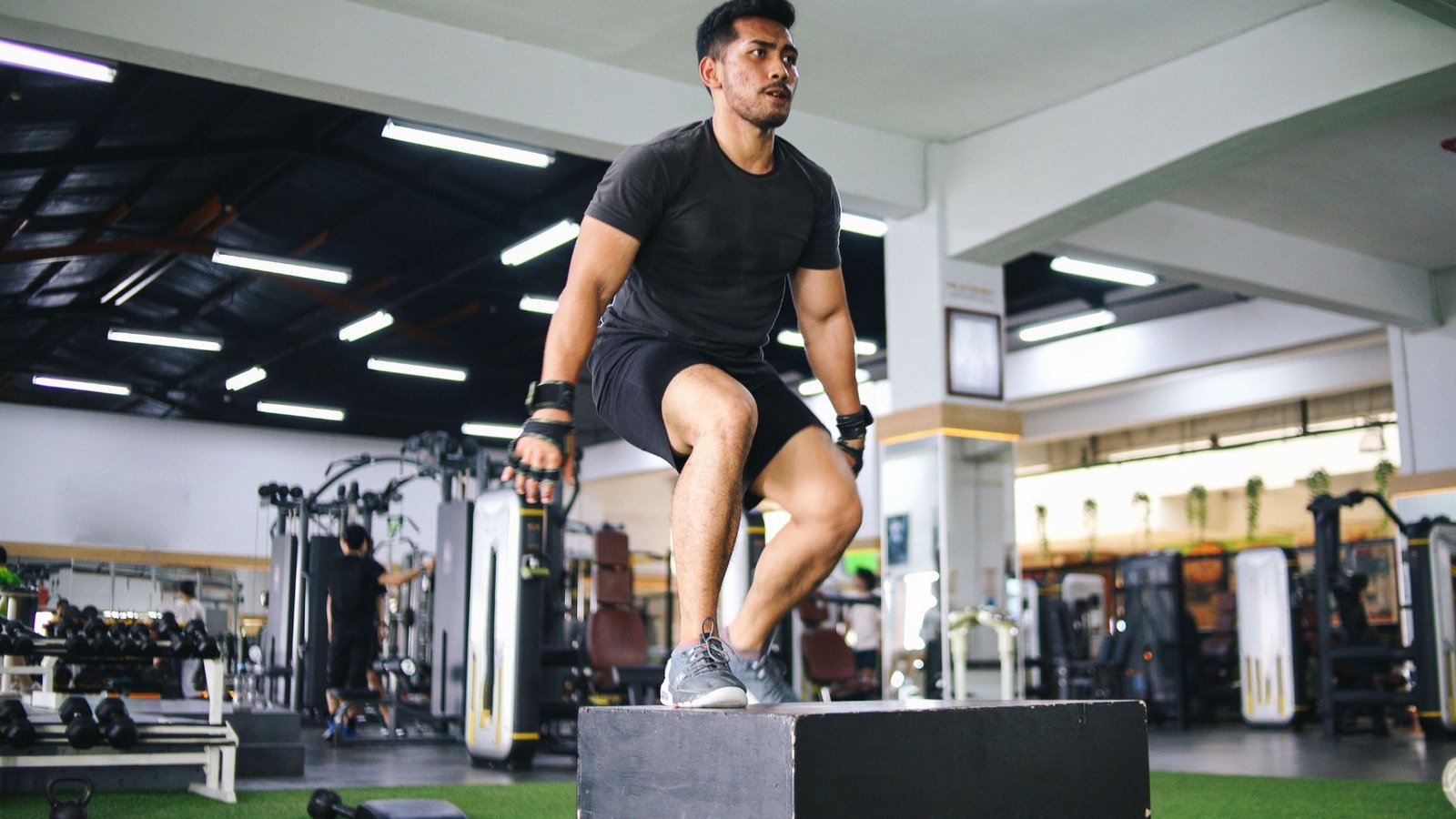
A great leg day routine does more than build muscle—it builds confidence, improves athletic performance, boosts metabolism, and strengthens the foundation of your entire body. Your legs carry you through life, from daily movement to intense workouts, yet they’re often the most neglected muscle group. If you’ve ever skipped leg day, you’re not alone—but you’re also missing one of the most powerful tools for total-body transformation.
Whether your goal is to gain muscle, burn fat, improve balance, or simply feel stronger in everyday life, a well-structured leg day routine can change how your body looks and performs. Let’s walk through why leg training matters, the muscles involved, the best exercises to include, and how to structure your workout for consistent progress.
Why a Leg Day Routine Is So Important
Your legs contain some of the largest and most powerful muscles in your body. When you train them properly, you stimulate a major hormonal and metabolic response that benefits your entire physique. This is why a consistent leg day routine often leads to faster fat loss, improved strength, and better overall conditioning.
Key benefits include:
Increased lower-body strength and power
Faster metabolism and improved calorie burn
Better balance, coordination, and mobility
Reduced risk of injury
Improved posture and athletic performance
Strong legs support nearly every movement you make, from walking and lifting to running and jumping. When your lower body is strong, your entire body performs better.
Major Muscles Trained in a Leg Day Routine
A well-designed leg day routine targets all major lower-body muscles, not just the thighs. These include:
Quadriceps (front of the thighs)
Hamstrings (back of the thighs)
Glutes (your strongest and largest muscle)
Calves
Hip flexors and stabilizing muscles
Training all of these muscles evenly helps prevent imbalances, reduces joint strain, and creates powerful, functional strength.
Best Exercises for an Effective Leg Day Routine
To get the most from your workout, your leg day routine should include a mix of compound and isolation movements.
Squats
Squats are the foundation of most leg workouts. They target the quads, glutes, hamstrings, and core. Variations such as goblet squats, barbell squats, and sumo squats allow you to adjust intensity and focus.
Lunges
Forward, reverse, and walking lunges challenge each leg individually, improving strength, balance, and coordination.
Romanian Deadlifts
These are excellent for strengthening the hamstrings and glutes while improving hip hinge mechanics and lower-back stability.
Step-Ups or Leg Press
These movements build quad and glute strength while placing slightly less stress on the lower back.
Glute Bridges or Hip Thrusts
These isolate the glutes and help improve power, posture, and performance in other lower-body movements.
Calf Raises
Often overlooked, calves play a huge role in balance and ankle stability. Seated and standing calf raises should both be included.
Sample Leg Day Routine You Can Follow
Here is a simple, effective leg day routine you can perform at the gym or at home with dumbbells:
Warm-Up (5–7 minutes):
Light cardio, hip circles, bodyweight squats, and dynamic stretching
Workout:
Squats – 4 sets of 10–12 reps
Romanian Deadlifts – 3 sets of 8–10 reps
Walking Lunges – 3 sets of 12 reps per leg
Step-Ups or Leg Press – 3 sets of 10–12 reps
Glute Bridges – 3 sets of 15 reps
Standing Calf Raises – 4 sets of 15–20 reps
Cool-Down:
Stretch quads, hamstrings, glutes, and calves for 5 minutes
This routine hits every major muscle group and balances strength, stability, and endurance.
How Often Should You Train Legs?
Most people benefit from training legs once or twice per week depending on recovery and overall workout split. A beginner might start with one dedicated leg day routine weekly, while more advanced lifters may use two sessions focused on different movement patterns.
Recovery is just as important as training. Quality sleep, proper nutrition, and hydration all play a major role in how well your legs grow and recover.
Tips to Get Better Results From Your Leg Day Routine
Focus on proper form before increasing weight
Use a full range of motion for better muscle activation
Warm up thoroughly to protect your knees and hips
Increase intensity gradually for long-term progress
Fuel your body with enough protein for muscle recovery
Stay consistent—results come from repetition over time
Leg training can feel demanding, but the long-term benefits are unmatched.
Why Leg Day Builds More Than Just Muscle
A consistent leg day routine doesn’t just improve your physique—it changes how you move and feel every day. Strong legs improve confidence, reduce joint pain, enhance posture, and improve performance in sports and daily tasks. Over time, you’ll notice that everything feels easier—from climbing stairs to lifting heavy objects.
Leg training also builds mental discipline. Pushing through challenging lower-body workouts teaches resilience, focus, and confidence that carries over into other areas of life.
Start Building Stronger Legs Today
If you’re ready to build strength, improve performance, and feel more powerful in your daily life, committing to a structured leg day routine is one of the smartest decisions you can make for your health.
If you want a personalized leg training plan built around your goals, experience level, and available equipment, now is the perfect time to take action. Get the guidance you need, stay consistent, and start building stronger, more confident legs—starting today.