
How Often Should You Do Weight Training Exercises Arms?
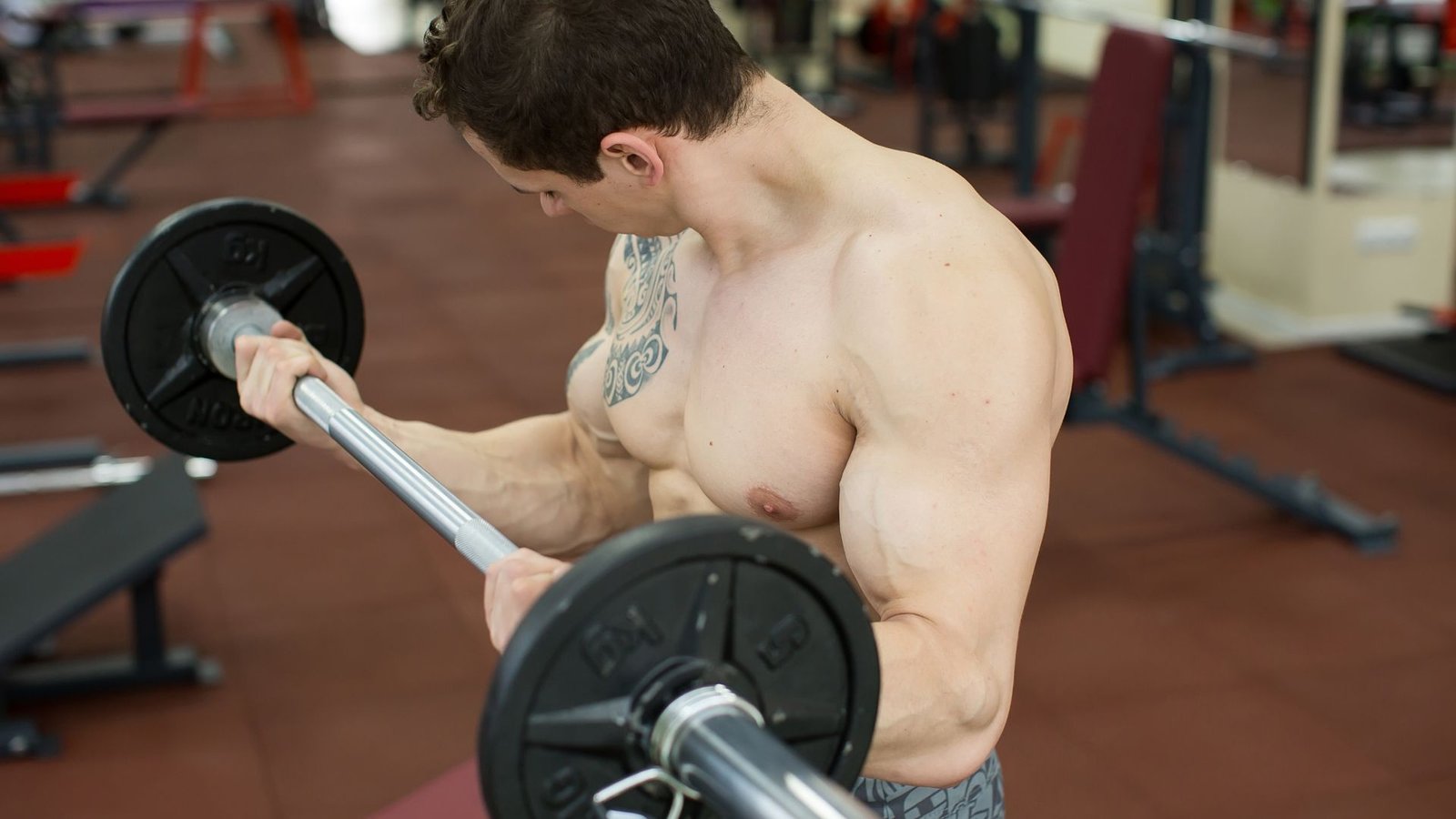
Building stronger, more defined arms is one of the most common fitness goals. Whether you want bigger biceps, stronger triceps, or improved overall upper-body strength, understanding how often to perform weight training exercises arms is key to making progress.
Many people either overtrain their arms or neglect them entirely. The right balance depends on your goals, experience level, and overall training routine. In this guide, we’ll break down the optimal frequency, recovery considerations, and a simple weekly plan to help you grow safely and efficiently.
Understanding Arm Muscle Recovery
Before deciding how often to do weight training exercises arms, it’s important to understand muscle recovery.
Your arms primarily consist of:
Biceps (front of upper arm)
Triceps (back of upper arm)
Forearms
When you lift weights, you create small muscle tears. Growth happens during recovery, not during the workout itself. Most muscle groups require 48 hours of rest before being trained again at high intensity.
If you train arms too frequently without recovery, you risk:
Plateaus
Fatigue
Joint discomfort
Decreased performance
Balanced programming produces better long-term results than daily arm workouts.
Ideal Frequency for Weight Training Exercises Arms
Beginners
If you are new to strength training, performing weight training exercises arms 2 times per week is sufficient. This frequency allows your muscles to adapt without excessive soreness or strain.
Full-body workouts that include compound movements like bench presses, rows, and pull-ups already activate the arms significantly.
Intermediate Lifters
If you have been training consistently for several months, you can increase arm-specific training to 2–3 times per week.
At this level, adding isolation exercises such as curls and triceps extensions helps enhance muscle definition and size.
Advanced Lifters
Advanced lifters may train arms up to 3 times per week, but with controlled volume and intensity. Splitting workouts into push/pull routines often distributes arm workload naturally.
The key is not just frequency, but total weekly volume.
Compound vs. Isolation Exercises
Many people overlook how often their arms are already being trained indirectly.
Compound exercises that heavily involve arms include:
Bench press
Shoulder press
Pull-ups
Rows
Dips
If you perform these regularly, your arms are already receiving significant stimulation. Therefore, your weight training exercises arms schedule should consider total workload, not just isolation movements.
Isolation exercises such as bicep curls and tricep pushdowns are excellent for targeting specific muscles but should complement compound lifts rather than replace them.
How Much Volume Is Enough?
For muscle growth, most research suggests 10–20 total sets per muscle group per week.
For arms, that could mean:
6–10 sets of biceps exercises weekly
6–10 sets of triceps exercises weekly
Spread across 2–3 sessions, this volume supports growth without overtraining.
Remember, quality of movement and progressive overload matter more than simply increasing frequency.
Sample Weekly Program for Arm Training
Below is a balanced example of how to schedule weight training exercises arms within a weekly routine:
| Day | Workout Focus | Arm Training Included |
|---|---|---|
| Monday | Chest & Triceps | 3–4 triceps exercises |
| Tuesday | Back & Biceps | 3–4 biceps exercises |
| Wednesday | Rest or Cardio | — |
| Thursday | Shoulders | Light triceps involvement |
| Friday | Arms Focus Day | 2 biceps + 2 triceps exercises |
| Saturday | Lower Body | — |
| Sunday | Rest | — |
This structure trains arms directly twice and indirectly multiple times per week, providing optimal stimulus and recovery.
Signs You’re Training Arms Too Often
Watch for these warning signs:
Persistent soreness lasting more than 3 days
Decreased strength during workouts
Elbow pain or joint stiffness
Fatigue that affects other lifts
If you notice these symptoms, reduce frequency or volume temporarily.
Proper sleep, hydration, and nutrition are essential for recovery and muscle growth.
Tips to Maximize Results
To get the most out of weight training exercises arms:
Focus on progressive overload by gradually increasing weight or reps.
Maintain proper form to avoid injury.
Prioritize protein intake for muscle repair.
Allow adequate rest days.
Track your workouts to measure progress.
Consistency is far more important than extreme training frequency.
The Bottom Line
So, how often should you do weight training exercises arms?
For most people, 2–3 times per week is ideal. This frequency allows enough stimulation for muscle growth while giving your body time to recover and rebuild stronger.
Rather than training arms daily, focus on smart programming, controlled volume, and consistent progression. Sustainable habits always outperform short bursts of intensity.
Start Building Stronger Arms Today
Developing stronger, more defined arms doesn’t require daily workouts. It requires strategy, balance, and patience.
Build Your Ideal Arm Training Routine Now
If you’re ready to improve your strength and arm definition, start by planning your weekly schedule with proper frequency and recovery in mind. Apply the sample program above, track your progress, and stay consistent.
Your arms will grow stronger when you train smarter—not just more often.