
How Do Straps for Weight Training Improve Grip Strength?
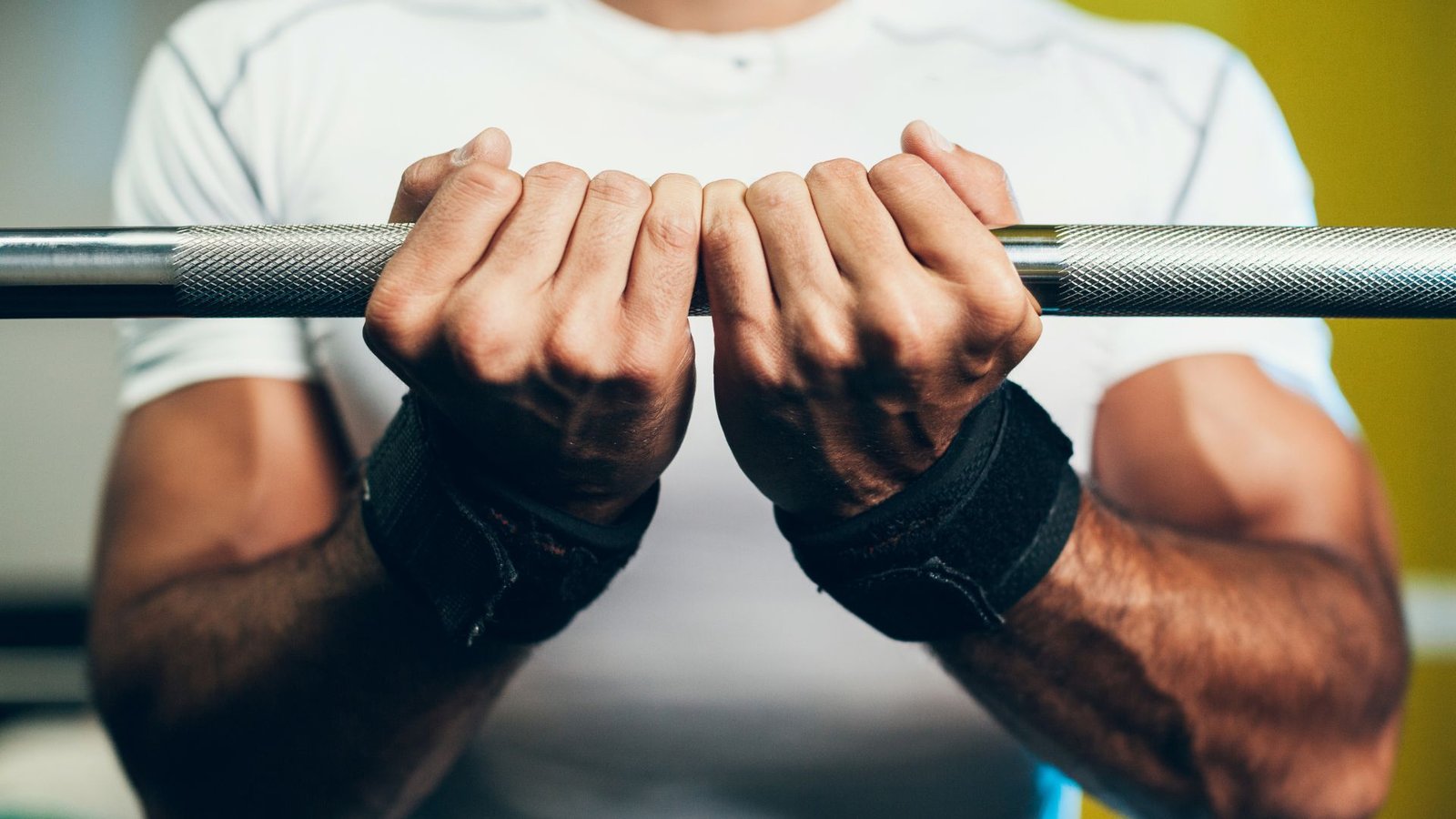
If you’ve ever felt your hands give out before your back or legs during heavy lifts, you’re not alone. Grip fatigue is one of the most common limiting factors in strength training. That’s where straps for weight training can make a real difference.
Many lifters wonder whether using lifting straps weakens grip strength or actually helps improve it. The truth is more nuanced. When used correctly, straps for weight training can enhance performance, increase training volume, and indirectly contribute to stronger grip development over time.
Let’s break down how they work and how to use them effectively.
What Are Straps for Weight Training?
Straps for weight training are supportive accessories made from cotton, nylon, or leather. They wrap around your wrist and the barbell or dumbbell, helping secure your grip during pulling movements.
They are commonly used for:
Deadlifts
Rows
Pull-ups
Shrugs
Romanian deadlifts
By reinforcing your hold on the bar, straps reduce the strain on your forearms and fingers during heavy lifts.
How Straps for Weight Training Improve Performance
1. Allow Heavier Lifts
Grip strength often fails before larger muscle groups like the back, glutes, or hamstrings. When your hands give out early, your targeted muscles miss out on full stimulation.
Using straps for weight training allows you to lift heavier weights safely without your grip becoming the limiting factor. This leads to greater overload and stronger overall muscle development.
2. Increase Training Volume
Muscle growth depends heavily on total training volume. If your grip fails midway through a set, you reduce your total work output.
Straps help you complete more repetitions and maintain proper form. Over time, this increased workload builds strength across the entire posterior chain.
3. Reduce Forearm Fatigue
Constant gripping during heavy sessions can exhaust your forearms quickly. Straps redistribute some of the tension from your fingers to your wrists, allowing you to focus on your primary muscle groups.
This does not mean your grip stops working. It simply prevents premature fatigue.
Do Straps for Weight Training Weaken Grip Strength?
This is one of the most common concerns.
If you rely on straps for every single lift—including lighter warm-up sets—your grip may not develop fully. However, strategic use actually supports grip progression.
A smart approach looks like this:
Perform early sets without straps
Use straps only for your heaviest working sets
Include separate grip training exercises
By combining raw grip work with straps for weight training, you get the best of both worlds: improved lifting capacity and stronger hands.
The Science Behind Indirect Grip Improvement
When you lift heavier weights using straps, your nervous system adapts to higher loads. Your muscles, tendons, and connective tissues become stronger overall.
Even though straps assist your hands, your grip still engages. Additionally, by allowing heavier deadlifts and rows, straps stimulate greater forearm activation than you might achieve with lighter loads alone.
In this way, straps for weight training can indirectly contribute to improved grip strength while maximizing back and posterior chain development.
When Should You Use Straps?
Straps are most beneficial for:
Heavy pulling movements above 80% of your one-rep max
High-volume back days
Deadlift accessory work
Bodybuilding-focused hypertrophy sessions
They are less necessary for lighter sets or exercises specifically designed to build grip strength, such as farmer’s carries or static holds.
Balance is key.
Sample Weekly Program Using Straps Strategically
| Day | Exercise Focus | Strap Usage |
|---|---|---|
| Monday | Back & Deadlifts | No straps on warm-up, straps on heavy sets |
| Tuesday | Chest & Triceps | No straps needed |
| Wednesday | Rest or Active Recovery | — |
| Thursday | Pull Day (Rows & Pull-ups) | Straps for final heavy sets |
| Friday | Legs | Optional for Romanian deadlifts |
| Saturday | Grip Training | No straps (farmer’s carries, bar hangs) |
| Sunday | Rest | — |
This approach ensures your grip continues developing while benefiting from the added support straps provide during demanding lifts.
Additional Tips for Maximizing Grip Strength
To complement straps for weight training, incorporate these exercises:
Farmer’s carries
Plate pinches
Dead hangs
Towel pull-ups
Static barbell holds
Train grip directly one to two times per week. This ensures your hands stay strong and resilient.
Common Mistakes to Avoid
Using straps on every set
Neglecting direct grip training
Wrapping straps incorrectly
Ignoring wrist comfort and positioning
Straps are tools—not shortcuts. When used intentionally, they enhance your training rather than replace fundamental strength development.
Build Strength Smarter Starting Today
Straps for weight training are not a crutch. They are a performance tool that allows you to train harder, lift heavier, and stimulate more muscle growth while still developing grip strength when used strategically.
Elevate Your Training With the Right Strategy
If grip fatigue is holding you back from progressing in deadlifts or rows, consider incorporating straps into your routine the smart way. Combine heavy lifting with direct grip work and consistent programming.
Start applying these principles in your next workout and unlock new levels of strength and performance.